


Welcome

Thanks for visiting the home page for Siouxland CARES About Substance Abuse.

Siouxland CARES (Community-wide Awareness, Resources, Education and Support) About Substance Abuse is a community coalition comprised of 350 volunteers. Volunteers for Siouxland CARES, representing 12 community systems, and staff contributed 16,296 hours in 2012 to CARES programs and services. The mission of CARES is to improve the quality of life in Siouxland by eliminating the abuse of alcohol and other drugs and related violence.

What’s New?

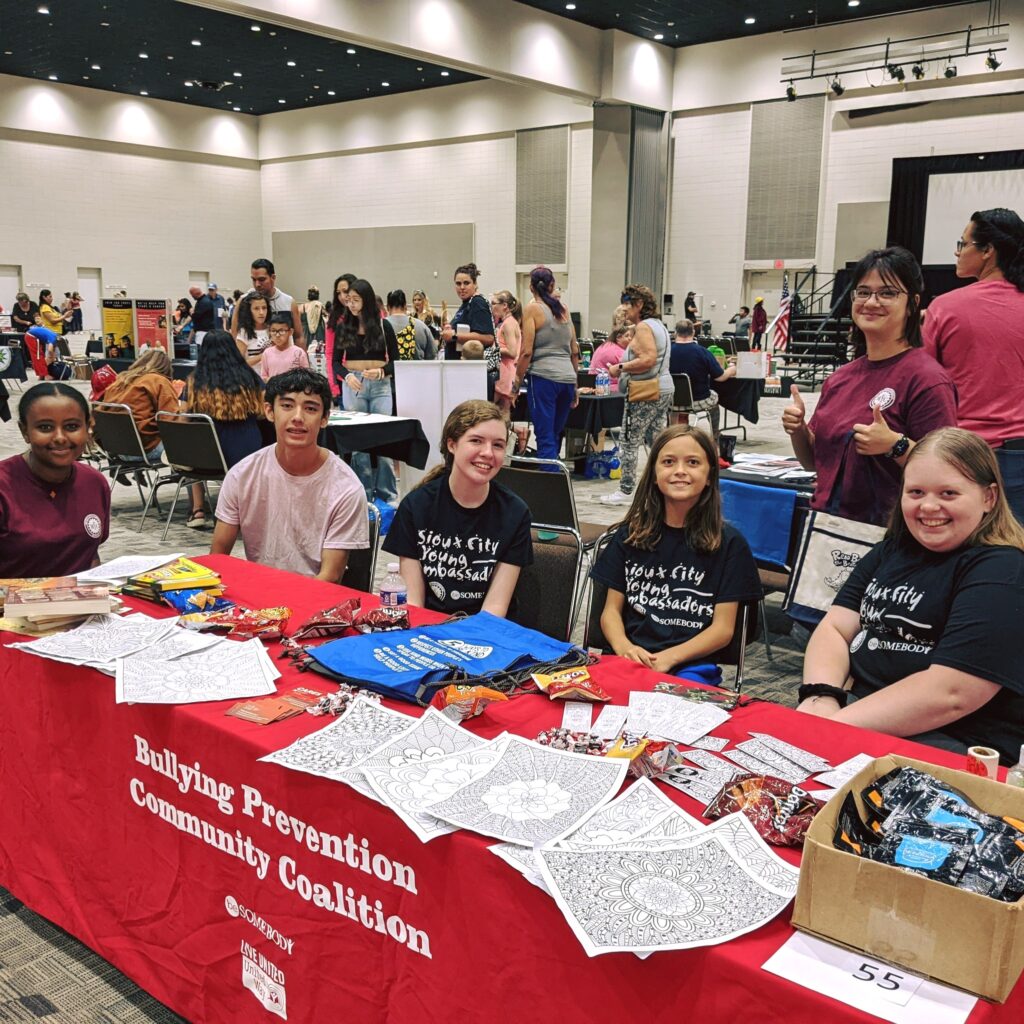
Nominations for students in grades 4-7 in Sioux City are currently being sought by the Sioux City Mayor’s Youth Commission.  Go to Youth Services on this website and click on Young Ambassadors for all the details. 


Start Talking Before They Start Drinking

HOW DO I START TALKING?

 5-8 Years Old

• Now is the time to begin explaining what alcohol, tobacco and drugs are.
• Discuss how anything you put in your body that is not food can be harmful.
• Explain the idea of addiction, that drug use can become a bad habit that’s hard to stop.
• Praise your children for taking good care of their bodies and avoiding things that might harm them.

 9-11 Years Old

• Children this age can handle more sophisticated discussion; use their curiosity about traumatic events (such as car accidents or divorces) to discuss how drugs could cause these events.
• Friends become extremely important at this time, and older children may expose your child to alcohol, tobacco or drugs.
• Rehearse scenarios in which friends offer drugs.

• “Upsetting my parents” is one of the top reasons preteens give for why they won’t use marijuana; give them permission to use you as an excuse, such as, “My mom will kill me if I drink a beer!”

 12-14 Years Old

• Adolescence is often a confusing and stressful time as teens try to figure out who they are and how to fit in. Nearly nine out of ten teens agree that “it seems like marijuana is everywhere these days.”
• Take advantage of a teen’s concerns about social image and appearance to point out immediate, distasteful consequences of alcohol, tobacco and marijuana use: bad breath, stained teeth, smelly hair and clothes. Point out that alcohol and other drug use is not only dangerous, but can also lead to broken friendships, even prison.
• Also point out long-term consequences, such as brain damage, cancer, and the potential for accidents, alcohol poisoning or death.

 15-17 Years Old

• Older teens have already made decisions about whether or not to use alcohol and other drugs. Now is the time to help them continue to resist peer pressure.

• Use specific reasons to reinforce why using alcohol and other drugs is bad: addiction, birth defects, car accidents, prison.

• These students are thinking about their futures; remind them that illegal alcohol and other drug use could ruin their chances of college acceptance or embarking on their career choice.

Information from the Partnership for a Drug Free Iowa’s “Take Five” Campaign


COMIENZE a conversar ANTES DE QUE ELLOS comienzeN A BEBER

 ¿COMO COMIENZO A CONVERSAR?

 5-8 Años de Edad

• Ahora es el tiempo de comenzar a explicar lo que es el alcohol, el tabaco, y las drogas.
• Hable acerca de que cualquier cosa que se meta en el su cuerpo puede causar daño.
• Explique lo que es una adicción, que el uso de droga puede ser un hábito malo que es difícil de dejar.
Felicite a sus niños por cuidar sus cuerpos y evitar sustancias que puedan causar daño.

 9-11 Años de Edad

• Los niños de esta edad pueden manejar una conversación más sofisticada; use su curiosidad sobre los acontecimientos traumáticos (tales como accidentes de tráfico o divorcios) para conversar sobre cómo las drogas podrían causar estos acontecimientos.

• Los amigos son extremadamente importantes en esta etapa y los niños mayores pueden exponer a su hijo al uso de alcohol, tabaco o drogas.
• Ensaye situaciones en que los amigos ofrezcan drogas.

• “Defraudaré a mis padres” es una de las razones que los preadolescentes usan para no fumar marijuana; permítale a su hijo utilizarlo como excusa, por ejemplo, “¡Mi mamá me mataría si tomo una cerveza!”

 12-14 Años de Edad

• La mayoría del tiempo la adolescencia es una etapa confundida y estresada cuando los adolescentes tratan de encontrar quiénes son y cómo pertenecer a un grupo.  Casi nueve de diez adolescentes están de acuerdo que “parece que la marijuana está en todas partes hoy en día”.
• Aproveche las preocupaciones de los jóvenes sobre la imagen social y apariencia para precisar las consecuencias del uso de alcohol, tabaco, y marijuana: mal aliento, dientes manchados, mal olor en el cabello y en la ropa.  Precise que el alcohol y el uso de drogas no sólo es peligroso, sino también termina con amistades y puede llegar a ser encarcelado.

 • También explique las consecuencias a largo plazo, por ejemplo daño al cerebro, cáncer, y el riesgo de sufrir accidentes, envenenamiento de alcohol o incluso la muerte.

 15-17 Años de Edad

• Los jóvenes mayores ya tomaron la decisión de consumir o no alcohol y otras drogas.  Ahora es el momento de ayudarlos a resistir la presión social.

• Use razones específicas para reforzar porqué el uso de alcohol y otras drogas no es la decisión correcta: adicciones, defectos de nacimiento, accidentes de vehículo, y encarcelamiento.

• Estos estudiantes están pensando en su futuro; recuérdenles que todo el uso de alcohol y drogas ilegales pueden arruinar su oportunidad de ser aceptados en la universidad o emprender en la carrera de su opción.

Information from the Partnership for a Drug Free Iowa’s “Take Five” Campaign


You Tube Contest Winners

Congratulations to Bishop Heelan High School and North High School for winning the local YouTube contest.  Each team won $250.  beSomebody!!!